


.png)
%20(22).png)
1. What do you believe will be the most significant technological shift in the elevator and vertical transportation industry over the next 10 years?
I believe that over the next 10 years, the heart of the vertical transportation industry especially elevators will be new kinds of smart, flexible systems. We’ll see things like pop-up and special-purpose elevators that move not only people, but also aircraft, inside vertiports, which are the takeoff and landing hubs for air taxis, drones, and helicopters.
2. How do you see Al and automation transforming elevator safety and maintenance systems?
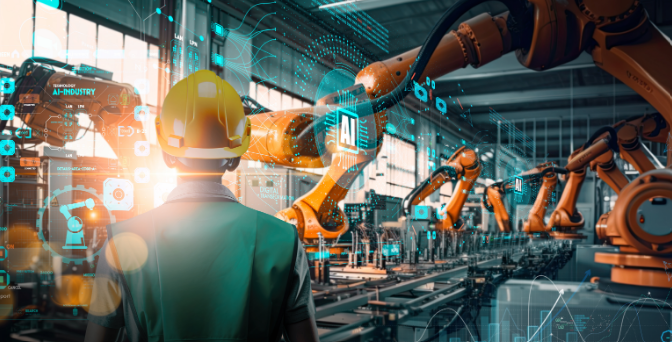
Right now, AI is only starting to show up in things like elevator control, safety, maintenance, and remote monitoring, and it’s still pretty early days. But as the technology keeps improving, AI is going to become a key part of how elevators are designed, operated, and managed. Before long, it’ll be built into almost every part of elevator systems, helping make them safer, smarter, and more efficient.
3. How will urban densification and smart-city development influence elevator designs and service expectations?
As cities get smarter, elevators will be the backbone of vertical transportation as it is designed and operated in much smarter ways too. Instead of sending people into dangerous elevator shafts to manually check tens of thousands of parts, AI-powered systems will handle inspections remotely. These smart solutions will provide real-time monitoring, safety checks, and maintenance, making elevators safer, more reliable, and easier to manage.
4. What challenges did you face when pioneering the world's first Emergency Evacuation X-vator, and what improvements do you envision next?
Right now, in most countries including South Korea, emergency elevators are only required to have a one-hour fire-resistance rating. But in real life, that’s just not enough when you’re dealing with high-rise buildings, super-tall towers, or deep underground spaces. To evacuate people safely in a serious fire, evacuation elevators really need to be able to last at least three hours. Songsan’s X-vator is the world’s first certified evacuation elevator to meet that three-hour fire-resistance standard. It’s specially designed to block heat, smoke, and flames, allowing people to escape not only from the fire floor but also from the floors above it even while the fire is still burning.
5. As someone with numerous patents, what is your innovation process when identifying new technological needs?
My approach to innovation starts with observing real-world challenges and understanding where current technologies fall short. At Songsan, we’ve always prioritized developing solutions that address specific needs rather than following trends, this has led to technologies that are truly unique. When exploring new areas, like with the creation of Songsan Drone Technologies, the focus is on identifying opportunities where technology can make a meaningful difference in daily life. We combine research, experimentation, and collaboration across teams to test ideas, learn quickly, and iterate. Ultimately, our innovation process is guided by curiosity and a long-term view seeking areas where technology can solve practical problems, improve systems, and contribute positively, without being constrained by existing product lines or markets.
6. What inspire do you to enter drone technology, and where do you see the strongest synergies between drones and vertical transportation?
What inspired us to enter drone technology was the opportunity to explore the broader vertiport ecosystem, including urban air mobility, drones, and heliports. The strongest synergies with vertical transportation come from developing systems that support safe and efficient movement between ground and air such as specialized vertiport and pop-up elevators which can complement drones in transporting people and materials. Our experience in Korea, including installations at places like the National Fire Hospital, is now helping us expand these solutions across Asia.
Click here to find out more
.jpg)
.jpg)





.jpg)

.jpg)
.jpg)
.jpg)




.jpg)







.png)

.jpg)






.png)


.png)


