


.png)
Siemens and GlobalFoundries (GF) have announced a new strategic collaboration focused on deploying advanced artificial intelligence (AI) and automation technologies to optimize semiconductor fabrication (fab) operations, with a specific emphasis on GlobalFoundries’ European manufacturing footprint. The initiative, positioned squarely within the industrial automation domain, targets higher tool utilization, improved process control, and enhanced energy efficiency in highly complex wafer production environments. By combining Siemens’ expertise in industrial software, automation, and data analytics with GF’s high-volume manufacturing experience, the partners aim to create an integrated, AI-enabled fab automation layer that can respond in real time to process variability, equipment conditions, and fluctuating production requirements. This development is directly relevant to European electronics and semiconductor manufacturers, plant operators, cleanroom facility managers, and automation vendors seeking new benchmarks in yield and throughput performance.
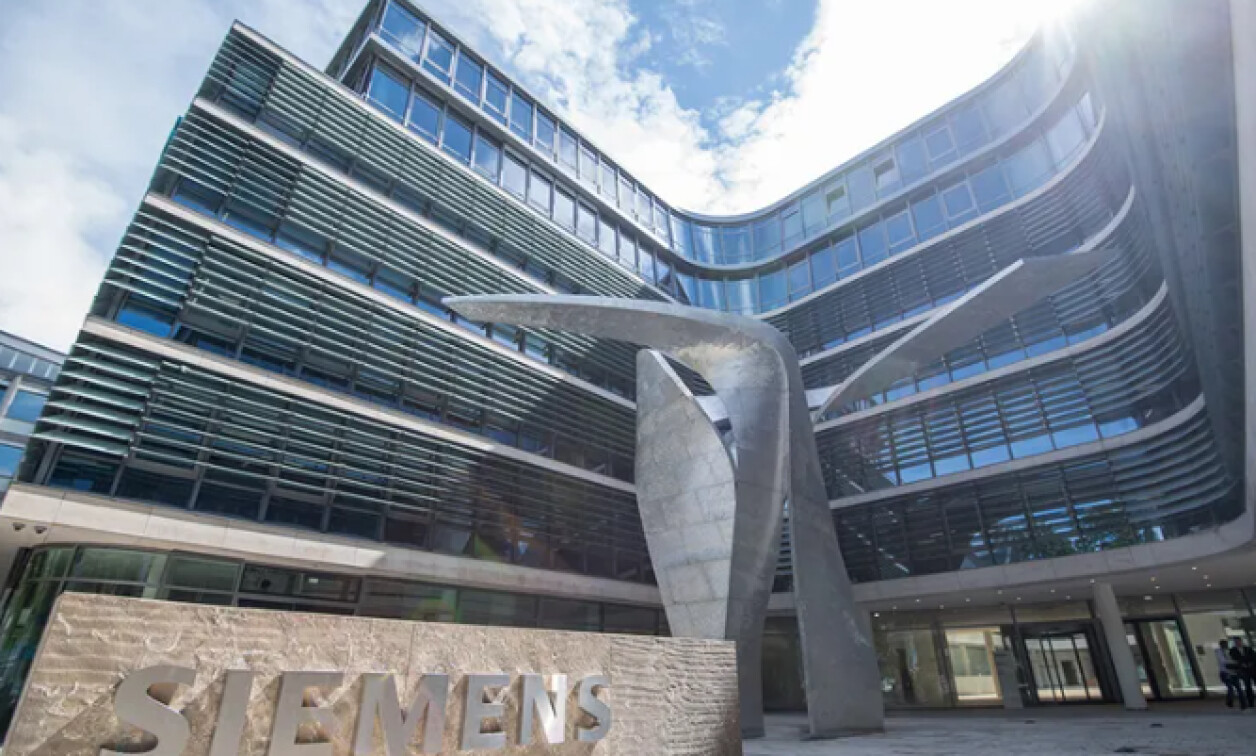
The collaboration will center on deploying Siemens’ industrial software stack – including manufacturing execution systems, digital twin technologies, and advanced analytics – across selected GF production lines, and progressively scaling toward more comprehensive fab-wide integration. Within the semiconductor value chain, automated process control and predictive maintenance are critical levers for competitiveness, particularly given the region’s strategic goals around supply resilience and advanced-node capacity. The partners plan to feed high-frequency process and equipment data from GF’s tools into AI models that can recommend or automatically implement adjustments to recipes, maintenance schedules, and equipment settings. For fab operators, this promises tighter process windows, fewer unplanned shutdowns, and a more stable output profile, all of which are vital in high-mix, high-value European semiconductor production for automotive, industrial, and power electronics customers.
From an industrial automation standpoint, the project exemplifies the convergence of traditional control systems with data-driven optimization. Semiconductor fabs already deploy extensive automation for material handling and tool control, but the emerging priority is orchestrating these systems using AI that can continuously learn from historical and real-time data. In the Siemens–GF initiative, AI-based algorithms will be layered on top of existing fab automation infrastructure to detect patterns that human engineers or static rule-based systems might miss. For example, subtle drifts in temperature, pressure, or chemical composition across tools can be identified early, allowing corrective action before yield is affected. This move from reactive troubleshooting to predictive and prescriptive control is aligned with broader Industry 4.0 and future Industry 5.0 roadmaps in Europe, where resilience, sustainability, and human–machine collaboration are central themes.
European stakeholders in electronics, semiconductors, and electrical components can expect several downstream impacts if the collaboration achieves its objectives. First, higher yields and better line stability at GF’s European fabs can strengthen regional supply security for critical components, particularly in automotive and industrial drives, power electronics, and integrated control systems used in factory automation equipment. Second, the emphasis on energy-efficient operation, supported by Siemens’ energy-management and optimization solutions, dovetails with European regulatory drivers around carbon reduction and resource efficiency. Semiconductor fabs are energy- and water-intensive facilities; therefore, incremental improvements at the process and equipment level can translate into significant absolute savings. By integrating AI into building management, utilities, and process equipment control, Siemens and GF aim to align operational excellence with sustainability targets that are becoming non-negotiable for European industrial sites.
For technology vendors and system integrators in the industrial automation ecosystem, the partnership highlights a growing demand for domain-specific AI solutions that are validated in production-critical environments. Rather than generic analytics platforms, fabs require models that understand equipment states, process interdependencies, and qualification requirements. The Siemens–GF program is expected to generate reference architectures and best practices around data ingestion, model lifecycle management, cybersecurity, and validation workflows that could be adapted to other high-tech manufacturing segments, such as power device fabrication, sensor production, or advanced packaging facilities across Europe. System integrators may find new opportunities in designing secure data pipelines, integrating fab tools with AI engines, and extending similar approaches to upstream and downstream operations like test, assembly, and module manufacturing.
Regulatory and compliance aspects are also a key consideration for this type of automation project. Semiconductor fabs must adhere to stringent quality, safety, and export control requirements, and the deployment of AI in decision-making loops raises new questions around validation, auditability, and change control. Siemens’ experience in regulated industries and GF’s existing quality frameworks will need to be tightly coordinated to ensure that AI-driven recommendations remain transparent and traceable. For plant managers, this will likely translate into new governance structures in which process engineers, data scientists, and quality teams jointly review model behavior, establish guardrails, and define when automated actions can be taken versus when human approval is mandatory. These governance models are likely to become templates for future AI-enabled automation programs in other European industrial sectors.
From an operational perspective, workforce transformation will be another central theme. While the core objective of the Siemens–GF collaboration is to boost fab performance rather than reduce headcount, the nature of work in the fab is expected to evolve. Maintenance engineers, for example, may increasingly rely on AI-generated predictions and recommended interventions instead of fixed preventive schedules. Process engineers will interact with digital twins and advanced visualization tools that allow them to run virtual what-if scenarios before modifying live production. For European automation professionals, this underlines the importance of cross-disciplinary skills that combine control engineering, data literacy, and domain knowledge. Vendors and training providers in the integrated processes and IT solutions category are likely to see rising demand for upskilling programs tailored to fab operations.
The collaboration also illustrates how Europe’s semiconductor ambitions intersect with broader industrial policy and investment trends. As the region seeks to expand its share of global chip manufacturing, focusing not only on new capacity but also on the productivity of existing fabs becomes a strategic necessity. AI-enhanced automation offers a route to extracting more value from installed tools and cleanroom space, effectively increasing ‘virtual capacity’ without commensurate capital expenditure. In this context, the Siemens–GF initiative can be seen as a pilot for leveraging industrial software and automation to support Europe’s semiconductor ecosystem, from design houses and equipment suppliers to downstream manufacturers of drives, actuators, power modules, and embedded control electronics deployed in factories, energy infrastructure, and transportation systems.
For industrial automation decision-makers, this announcement reinforces several actionable takeaways. First, combining operational technology (OT) and information technology (IT) is no longer optional for competitive, high-value manufacturing in Europe; integrated architectures that span shop-floor equipment, MES, and cloud analytics are becoming the norm. Second, AI projects should be anchored in clear performance KPIs – such as yield, overall equipment effectiveness (OEE), or energy per wafer – to avoid pilot fatigue and ensure measurable impact. Third, partnerships between automation vendors and manufacturing operators, as demonstrated by Siemens and GF, can accelerate innovation by aligning software capabilities with real-world constraints. As this collaboration matures, its outcomes will likely influence how other European fabs, and more broadly electronics and semiconductor plants, structure their own journeys toward fully data-driven, self-optimizing production systems.
In summary, the Siemens and GlobalFoundries AI-driven fab automation collaboration represents a significant, B2B-focused development within the European industrial automation landscape, particularly for the electronics, semiconductors, and electrical components segment. By targeting higher process stability, improved energy efficiency, and more intelligent use of production data, the initiative aligns with both corporate performance goals and the region’s strategic priorities around technological sovereignty and sustainable manufacturing. For plant operators, automation vendors, and system integrators across Europe, it serves as a concrete example of how advanced automation, digital twins, and AI can be orchestrated in one of the most demanding production environments to deliver next-generation manufacturing performance.
%20(2).png)
%20(22).png)
%20(20).png)
%20(19).png)
%20(18).png)
%20(2).png)
%20(4).png)
%20(5).png)
%20(10).png)
.png)
%20(1).png)
%20(10).png)
%20(8).png)
%20(7).png)
%20(2).png)
.png)
%20(1).jpg)
%20(6).png)
%20(5).png)
%20(4).png)
%20(3).png)
%20(1).png)
.png)



.png)

%20(1).png)
.png)
.png)
%20(2).png)
.png)

.png)


