


.png)
Siemens' advanced manufacturing facility in Nanjing, China, has been officially named a World Economic Forum (WEF) Global Lighthouse Factory, highlighting its pioneering use of artificial intelligence (AI) and cutting-edge automation technologies. This designation places the plant among the world's most advanced operational sites, distinguished particularly in the productivity category. The recognition underscores Siemens' commitment to Industry 4.0 principles, integrating AI-driven systems to optimize manufacturing processes, reduce downtime, and enhance overall efficiency in the production of industrial automation equipment.
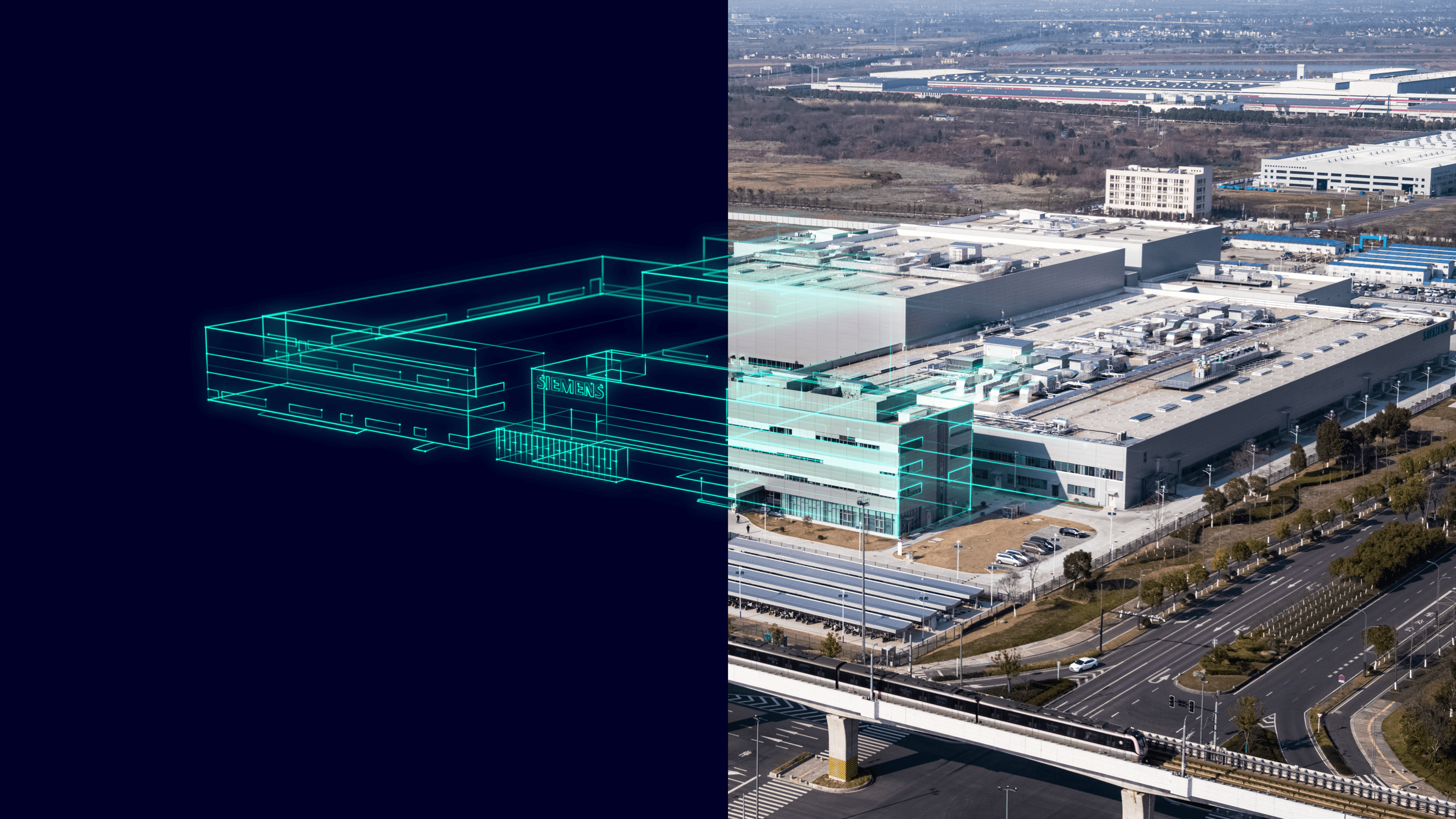
The Nanjing factory exemplifies how Asian manufacturers are leveraging AI to transform traditional production lines into smart, interconnected ecosystems. At the heart of this transformation is Siemens' deployment of AI-powered predictive maintenance systems, which analyze real-time data from sensors embedded across the production floor. These systems predict equipment failures before they occur, minimizing unplanned outages and extending machinery lifespan. For instance, machine learning algorithms process vast datasets from motors, drives, and actuators—key components in Siemens' portfolio—to forecast wear and tear with unprecedented accuracy. This not only boosts throughput but also aligns with the growing demand for reliable automation solutions in sectors like electronics, semiconductors, and power generation.
In the context of Asia's rapidly evolving industrial landscape, the Nanjing plant serves as a benchmark for integrated processes and IT solutions. The facility employs edge computing to handle complex AI inference workloads directly at the production line, reducing latency and enabling real-time decision-making. This is particularly vital for high-precision manufacturing of electrical components and control systems, where even minor delays can compromise quality. Siemens has integrated digital twins—virtual replicas of physical assets—that simulate production scenarios, allowing engineers to test optimizations virtually before implementation. Such advancements are driving a 20-30% improvement in operational efficiency, according to internal metrics shared during the WEF announcement.
The Lighthouse status also spotlights Siemens' focus on sustainability within its automation frameworks. The plant utilizes AI to optimize energy consumption in furnaces, pumps, and compressors, achieving significant reductions in carbon emissions. For example, intelligent algorithms dynamically adjust drive speeds in conveyor systems and heavy machinery, ensuring minimal energy waste during variable load conditions. This resonates with regional priorities in China, where regulatory pushes for green manufacturing are intensifying. Plant operators and system integrators across Asia can draw lessons from Nanjing's model, particularly in scaling AI for mid-sized facilities without prohibitive costs.
Looking ahead, the Nanjing factory's success is poised to influence broader adoption of AI in Asian industrial R&D. Siemens plans to expand its AI capabilities to include advanced robotics integration, targeting applications in machine tools and metalworking. Partnerships with local semiconductor firms will further enhance chip-level optimizations for edge AI devices. Facility managers in oil and gas machinery, as well as power distribution sectors, stand to benefit from similar deployments, as these technologies address common pain points like cybersecurity vulnerabilities and system interoperability.
Experts note that this development reinforces China's position as a hub for automation innovation, with ripple effects for neighboring economies. Vendors supplying bearings, relays, and search detection systems will need to adapt to AI-compatible standards to participate in this ecosystem. The WEF's endorsement validates Siemens' strategy, encouraging technology vendors to invest in similar AI infrastructures. As Asia's manufacturing sector grapples with supply chain resilience and labor shortages, facilities like Nanjing provide a roadmap for human-centric automation, blending machine intelligence with operator expertise.
Ultimately, the Siemens Nanjing Lighthouse Factory represents a pivotal moment in B2B industrial automation. By achieving measurable gains in productivity, sustainability, and adaptability, it sets a new standard for motors, drives, actuators, and beyond. Manufacturers, integrators, and managers throughout the region are urged to study and replicate these innovations to maintain competitive edges in a digital-first era. This milestone not only celebrates technological prowess but also heralds a future where AI democratizes advanced manufacturing across Asia.
%20(2).png)
%20(22).png)
%20(20).png)
%20(19).png)
%20(18).png)
%20(2).png)
%20(4).png)
%20(5).png)
%20(10).png)
.png)
%20(1).png)
%20(10).png)
%20(8).png)
%20(7).png)
%20(2).png)
.png)
%20(1).jpg)
%20(6).png)
%20(5).png)
%20(4).png)
%20(3).png)
%20(1).png)
.png)



.png)

%20(1).png)
.png)
.png)
%20(2).png)
.png)

.png)


