


.png)
Valmet, a global leader in industrial automation and energy solutions, has secured a significant contract to deliver a comprehensive automation system for the new incineration facility in Seongnam-si, Gyeonggi-do, South Korea. The order, placed by GS E&C Corp., the engineering, procurement, and construction contractor, underscores the growing demand for intelligent automation in Asia's waste management sector. This project aligns perfectly with the region's push towards sustainable industrial operations, particularly in categories like Integrated Processes and IT solutions, as well as Power Generation, Distribution, Switchgears, and Relays.
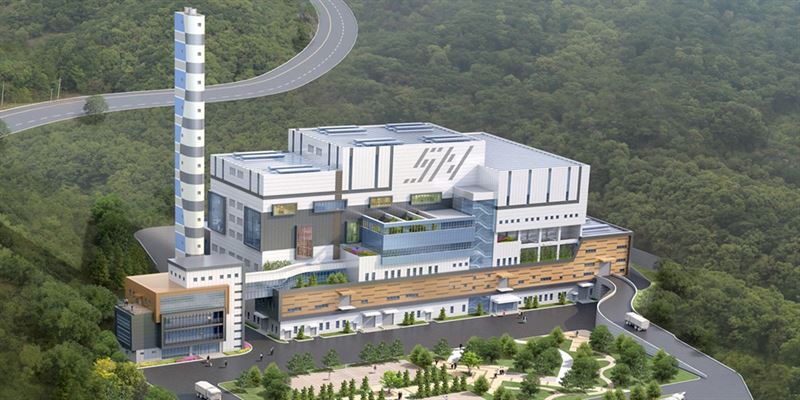
The automation system will enable the facility to leverage advanced control technologies for real-time monitoring and optimization of waste incineration processes. By integrating distributed control systems (DCS), advanced process control (APC), and analytical instruments, the plant will achieve higher energy recovery rates from waste, converting it more efficiently into steam and electricity. This is crucial for South Korea, where urban waste volumes are increasing due to population density and industrialization, necessitating efficient resource recovery mechanisms. The system's intelligent features will minimize emissions through precise combustion control, flue gas treatment optimization, and compliance with stringent environmental regulations enforced by the Korean Ministry of Environment.
Key components of Valmet's delivery include the Valmet DNA automation platform, which is renowned for its scalability and user-friendly interface. This platform supports seamless integration of operational technology (OT) with information technology (IT), facilitating predictive maintenance and data-driven decision-making. For plant operators and facility managers, this means reduced downtime, lower operational costs, and enhanced safety. In the context of Industrial R&D, Valmet's solution incorporates AI-driven analytics to predict equipment failures and optimize fuel mix, drawing from extensive data collected across similar global installations.
This project is part of a broader trend in Asia, where countries like South Korea are investing heavily in circular economy initiatives. Seongnam City's facility, with a capacity to process thousands of tons of municipal solid waste daily, will contribute to national goals of reducing landfill dependency and achieving carbon neutrality by 2050. Technology vendors and system integrators in the region stand to benefit from such EPC-led projects, as they highlight the need for interoperable automation solutions compatible with legacy systems while future-proofing for digital twins and IoT integrations.
From a business perspective, GS E&C's selection of Valmet reflects confidence in the supplier's track record in Asian markets. Valmet has previously delivered similar systems to biomass and waste-to-energy plants in South Korea and Japan, demonstrating reliability in harsh operating environments. The automation will also incorporate cybersecurity measures aligned with global standards like IEC 62443, protecting critical infrastructure from evolving threats—a key concern for OT security in 2026 as highlighted in recent industry reports.
Looking ahead, this installation sets a benchmark for future waste management projects across the Greater Bay Area and Southeast Asia. Manufacturers and plant operators can expect similar deployments to incorporate edge AI computing for faster response times and machine learning models for emission forecasting. For heavy vehicle and industrial storage operators involved in waste logistics, integrated systems like this will enable better supply chain visibility, from collection trucks to incineration furnaces.
The economic impact is substantial: optimized operations could yield up to 20% energy efficiency gains, translating to millions in annual savings and reduced carbon footprints. This aligns with regulatory updates in South Korea promoting green technologies, providing tax incentives for automation adopters. Expert insights from Valmet's engineers emphasize the role of human-centric design in these systems, ensuring operators can easily interpret data visualizations and intervene when necessary.
In summary, Valmet's delivery to Seongnam-si exemplifies how automation is transforming waste management from a cost center to a revenue-generating asset. Stakeholders in Compressors, Pumps, Motors, Drives, and Actuators will find opportunities in retrofitting similar tech to enhance blower and fan systems for flue gas handling. As Asia accelerates its industrial digitalization, projects like this will drive partnerships and innovations, solidifying the region's leadership in sustainable manufacturing.
%20(2).png)
%20(22).png)
%20(20).png)
%20(19).png)
%20(18).png)
%20(2).png)
%20(4).png)
%20(5).png)
%20(10).png)
.png)
%20(1).png)
%20(10).png)
%20(8).png)
%20(7).png)
%20(2).png)
.png)
%20(1).jpg)
%20(6).png)
%20(5).png)
%20(4).png)
%20(3).png)
%20(1).png)
.png)


.png)

%20(1).png)
.png)
.png)
%20(2).png)
.png)

.png)


